
Review · ASWAN
From Aswan: 4-Days 3-Night Nile Cruise with Hot Air Balloon
Abu Simbel at 8 a.m. and a hot-air balloon over Luxor at sunrise give this four-day Nile cruise two major highlights beyond the usual temple circuit. Between them, you sail from Aswan to Luxor, stopping at Kom Ombo and Edfu, with an Egyptologist explaining what you are seeing.
I like the way the trip packs in the major sights without making you change hotels every night. I also like the mix of river travel and overland touring: the cruise gives you time on deck, while the Abu Simbel drive and Luxor excursions reach places the boat cannot.
The trade-off is the very early starts. Abu Simbel begins around 4:30 a.m., and the balloon pickup is around 5 a.m. This is a good choice if you want to see a lot in a short time, but not if you need slow mornings.
Key points at a glance
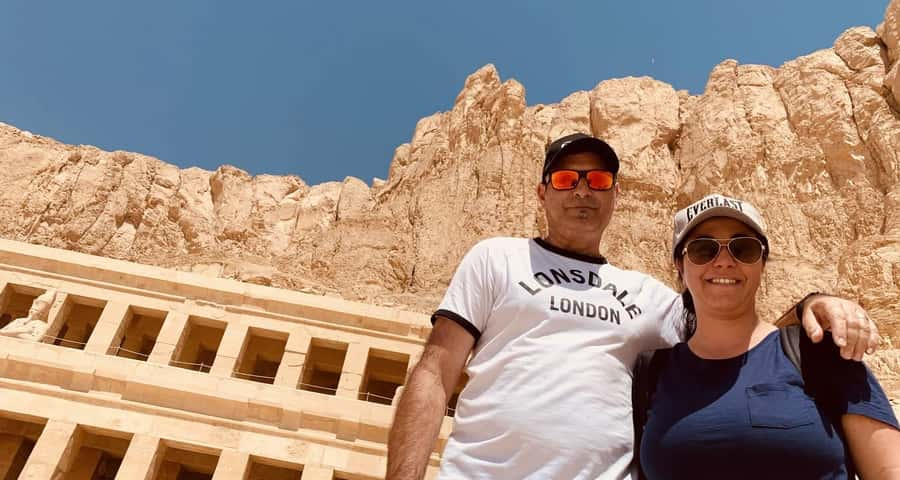
- Abu Simbel by small-group vehicle: Leave Aswan around 4:30 a.m. and reach the rock-cut temples at about 8 a.m.
- Three nights on a full-board Nile cruise: Your cabin, meals, transfers, and onboard entertainment are included.
- Kom Ombo and Edfu between Aswan and Luxor: See a rare double temple and one of Egypt’s best-preserved temples.
- Sunrise balloon flight over Luxor: Take a 30 to 45-minute flight above the west bank before visiting its monuments.
- Guides who make a practical difference: Guides such as Ahmed Shawky Ali, Mohamed Gobran, Mahmoud Habibi, and Mahmud are praised for clear explanations and careful timekeeping.
- Budget beyond the advertised price: Plan for about $80 in entrance fees, plus drinks and tips.
Why this four-day cruise works
At $456 per person, the trip offers solid value if you want transport, a cabin, meals, guided sightseeing, and the balloon ride in one booking. The price does not include about $80 in entrance fees, drinks, or tips, so your real budget will be higher.
Still, compare what is covered. You receive three nights on a five-star Nile cruise, full-board meals from lunch on day one through breakfast on day four, an English-speaking guide, horse-and-carriage transport at Edfu, an air-conditioned vehicle, and transfers to or from hotels, the airport, train station, and cruise dock in Aswan and Luxor.
The cruise also saves you from arranging several separate trips. Abu Simbel alone requires a long early-morning road journey, and the Luxor west bank is easier with a vehicle and guide. If you tried to organize every piece independently, you would need to coordinate transport, temple visits, the boat, and the balloon flight yourself.
The main cost concern is the extras. Drinks are not included, and one recent price estimate put them at about €2 each. A crew tip of around $15 in cash was also requested on one trip. That is not a large amount compared with the total cost, but I would rather know about it before boarding.
More Nile Cruise and Balloon Packages in Aswan:
- 4-Days Nile Cruise From Aswan To Luxor including Abu Simbel and Hot Air Balloon
★ 5.0 · 3,142 reviews - 4-Day 3-Night Nile Cruise from Aswan to Luxor&Abu Simbel+Balloon
★ 5.0 · 2,023 reviews - 4-Day 3-Night Nile Cruise from Aswan to Luxor including Abu Simbel, Air Balloon
★ 4.5 · 612 reviews
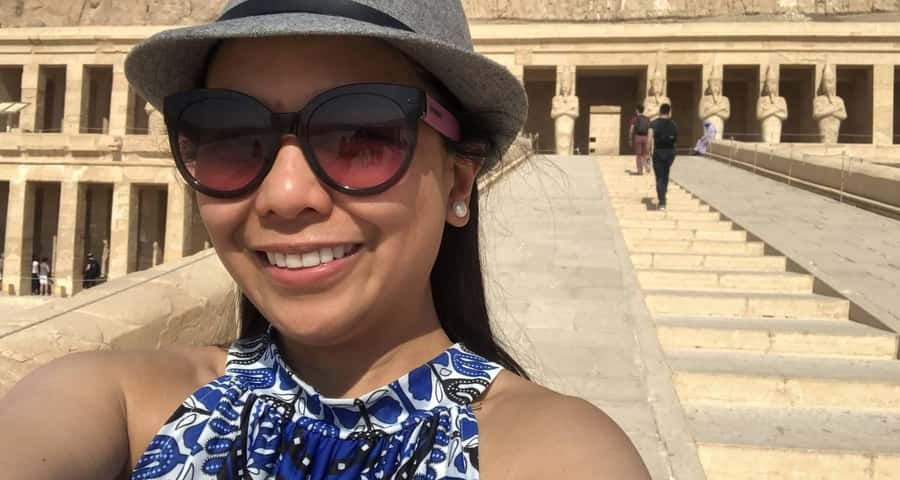
Day 1: Aswan, the High Dam, and Philae
Your first day begins with pickup from an Aswan hotel, train station, or airport. The program then moves to the Aswan High Dam, one of the major engineering projects of modern Egypt. It changed the flow of the Nile and helped control flooding, but it also led to the relocation of important ancient sites.
From there, you take a motorboat to Philae Temple. The boat ride matters because Philae sits on an island, giving the arrival a more memorable feel than simply stepping off a tour bus. The temple is dedicated mainly to Isis and is known for its carved courts, columns, and later religious additions.
This is a useful first sightseeing day because it combines modern Egypt with ancient Egypt. You see the dam, cross the Nile by boat, and then begin the temple visits with a guide who can explain how the site was preserved and moved to higher ground after the dam projects.
Lunch is served aboard the cruise, followed by afternoon tea, dinner, and an evening disco party. You sleep on the boat, which means the cruise portion starts right away rather than after a hotel night in Aswan.
The exact order and length of the first day can depend on your arrival time. If your transport reaches Aswan late, you should confirm how much sightseeing time remains. The operator provides door-to-door transfers, but it is still wise to share your arrival details clearly.
Day 2: Abu Simbel before Kom Ombo
The Abu Simbel outing is the most demanding part of the schedule. Pickup is around 4:30 a.m., and you travel by air-conditioned vehicle in a small shared group. You reach Abu Simbel at about 8 a.m., visit the temples, and return to the cruise around noon.
That early start is worth understanding before you book. Abu Simbel is far from the main Nile cruise route, so there is no relaxed way to add it to this itinerary. The reward is one of Egypt’s most dramatic ancient sites: two temples cut into the rock for Ramesses II and Queen Nefertari.
The enormous seated statues outside Ramesses II’s temple make an immediate impression. Inside, the halls and chambers carry scenes of royal power, religious ritual, and military victories. The smaller temple dedicated to Nefertari has its own large statues and is not simply an extra stop tagged onto the main monument.
Your Egyptologist guide is especially useful here. Abu Simbel can look like a collection of giant statues if you do not know what you are seeing. The guide can point out the different roles of the two temples and explain why the site is so important.
You return to the boat for lunch, then sail toward Kom Ombo. Kom Ombo is unusual because it is a double temple, dedicated to Sobek, the crocodile god, and Horus, the falcon god. Its paired design gives the visit a clear theme: two gods, two sets of sanctuaries, and two religious traditions sharing one complex.
The crocodile connection is not just a name. Crocodiles were linked with the Nile, fertility, and royal power, and mummified crocodiles have been found in the area. Kom Ombo is also a good place to see how Egyptian temples continued to develop under later rulers.
After dinner, the boat continues toward Edfu for the night. By this point, you will have had a very long day. I recommend treating the deck time as part of the program, not as wasted time. A Nile cruise is at its best when you look out at the riverbanks and let the schedule slow down for a while.
Day 3: Edfu, the Nile, and Luxor Temple
After breakfast, you travel by horse-drawn carriage to the Temple of Horus at Edfu. The carriage is included, and it makes the transfer more distinctive than another ride in a standard vehicle. The guide accompanies you to the temple.
Edfu is one of the most complete ancient Egyptian temples, with large pylons, courtyards, columns, and detailed reliefs. Because much of the structure remains intact, you can understand its original plan more easily than at sites where only scattered ruins survive.
The temple is dedicated to Horus, shown as a falcon or a falcon-headed deity. Look for the large falcon statue and the carved scenes that explain the temple’s religious story. A guide helps connect the symbols to the wider beliefs behind the building instead of leaving you to decode every wall alone.
Back aboard, the cruise sails toward Luxor and passes through the Esna Lock. This is one of those practical pieces of river travel that can be more interesting than expected. The boat must wait for the lock process, and you may get a close look at how vessels move between different water levels.
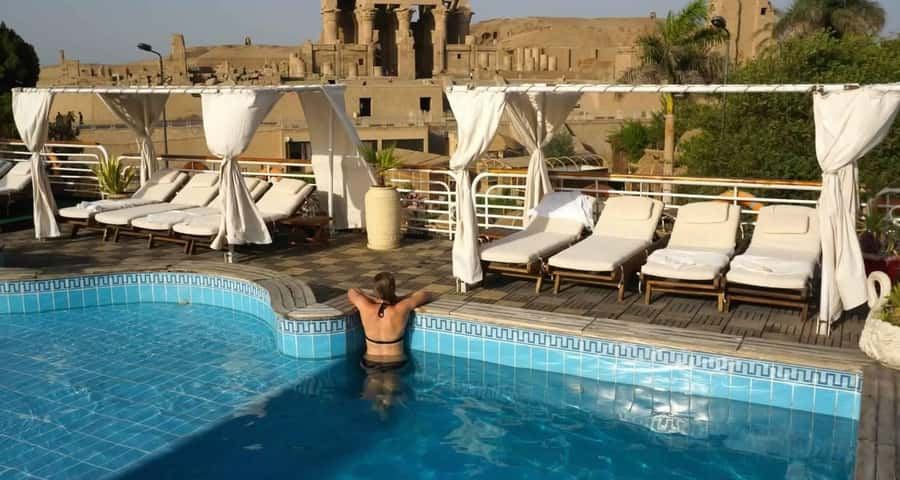
Lunch and afternoon tea are served on board. This is your best chance to rest, enjoy the view, and use the sundeck. The river portion is not just transport between monuments. It gives you a different sense of Egypt, with villages, farmland, and daily life passing at a slower pace than on the road.
Later, you reach the Luxor dock and transfer to Luxor Temple on the east bank. The temple is particularly atmospheric later in the day, when the columns and statues take on warmer light. It also shows how a sacred site changed over time, with ancient Egyptian, Christian, and Islamic features connected to the same place.
If the boat reaches the dock around 3 or 3:30 p.m., the schedule may allow both Karnak and Luxor Temple on this day. If not, Karnak is visited on day four. This is an important timing detail, because arrival time can affect how much of the east bank you see before dinner.
The evening includes dinner and a belly dancing show. You then spend the night aboard the cruise in Luxor. Cabins are described as comfortable and well kept, with full facilities, and the roof deck offers a pleasant place to watch the river before turning in.
More balloon flights worth the early start around Aswan:
- From Aswan: 3-Day Cruise to Luxor with Hot Air Balloon
★ 4.3 · 598 reviews - 4-Days Nile Cruise From Aswan To Luxor including Abu Simbel and Hot Air Balloon
★ 4.5 · 509 reviews - 4 Days Nile Cruise from Aswan to Luxor including Abu Simbel and Hot Air Balloon
★ 4.5 · 356 reviews - 4-Day 3-Night Nile Cruise from Aswan to Luxor With Balloon and Abu Simbel
★ 5.0 · 327 reviews
Day 4: Balloon flight and Luxor’s west bank
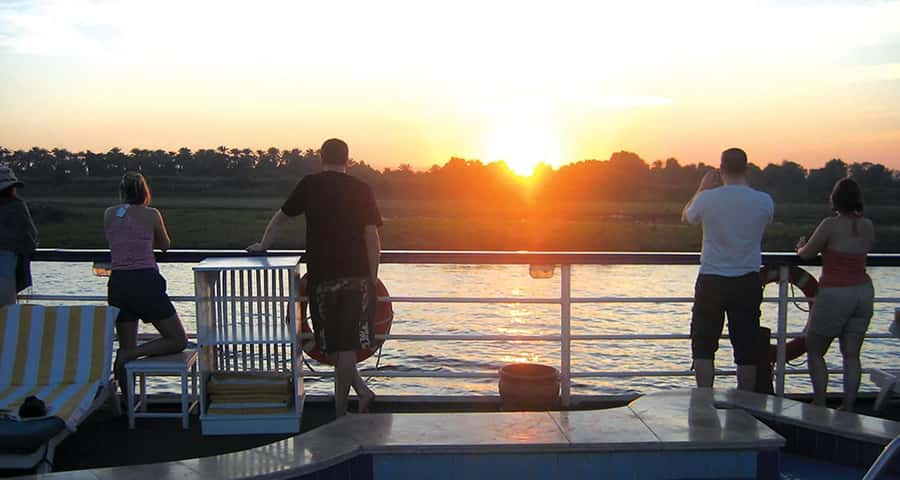
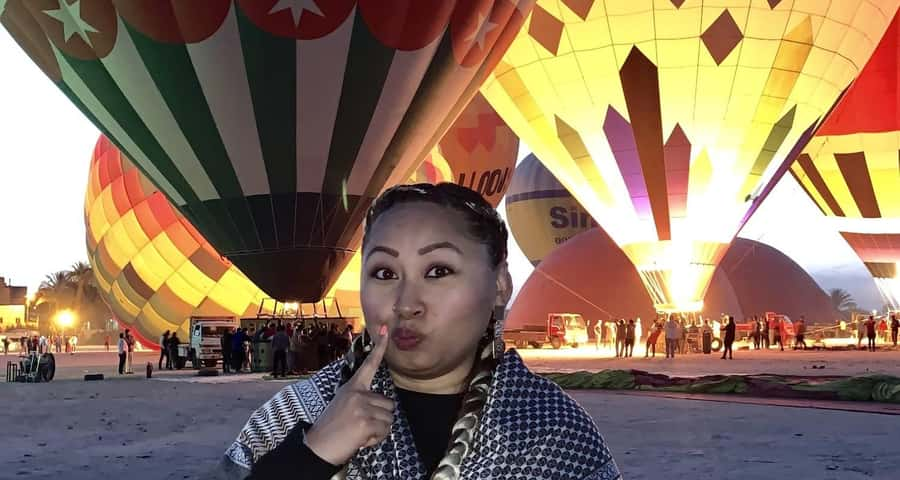
The final morning starts around 5 a.m. for the hot-air balloon ride. The flight lasts about 30 to 45 minutes and gives you an aerial view of Luxor’s west bank, the Nile, and the surrounding countryside.
This is one of the best reasons to choose this package instead of a standard cruise. From ground level, Luxor’s monuments are spread across separate sites. From the balloon, you can see how the temples, fields, river, and modern city fit together. The early hour also gives the flight its appeal, with the sun rising over the area as the day begins.
The balloon ride is weather dependent in practical terms, although no separate weather policy is provided here. If you are booking mainly for this activity, confirm the day’s arrangements with the operator shortly before departure.
After the flight, you visit the Mortuary Temple of Hatshepsut at Deir El Bahari. The temple is built into the cliffs on the west bank, with long terraces and strong horizontal lines. Hatshepsut’s story is one of the most interesting in ancient Egypt because she ruled as pharaoh and presented herself through traditional royal imagery.
The visit continues with a photo stop at the Colossi of Memnon. These huge seated statues once guarded the entrance to a much larger temple complex. Today they are a quick stop, but they are useful for showing the scale of royal building projects in ancient Thebes.
Lunch at a local restaurant is optional. Since the included meals end with breakfast on the final day, you should budget separately if you want lunch before the afternoon transfer.
Karnak Temple comes next if it was not completed on day three. The complex was built and expanded over roughly 2,000 years and covers about 63 acres. Its great hypostyle hall, huge columns, obelisks, and long processional routes make it one of the largest ancient religious sites you can visit.
The final transfer can take you to a Luxor hotel, airport, or railway station, usually around 3 to 4 p.m. This makes the tour useful if you are continuing your trip the same day, but keep your onward plans flexible enough to allow for traffic or changes in the sightseeing order.
Guides, meals, and life aboard
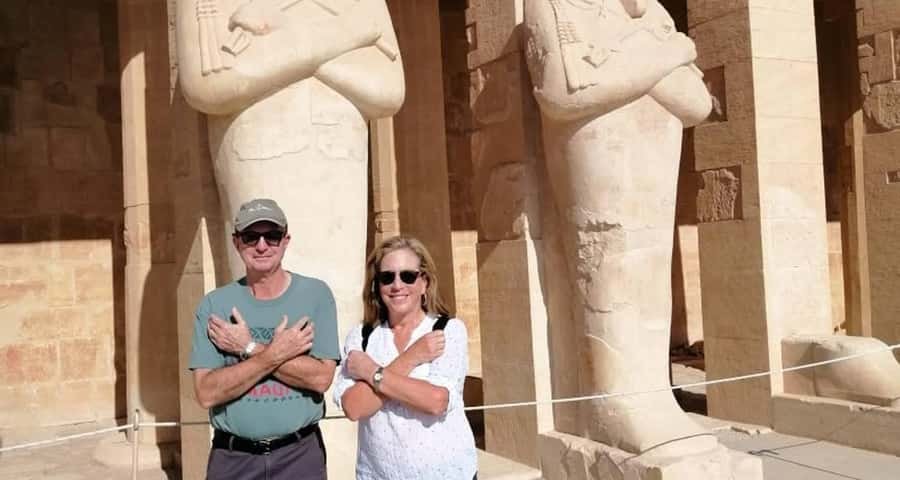
The guide is a major part of the value here. English-speaking guides named in the supplied information include Ahmed Shawky Ali, Mohamed Gobran, Mahmoud Habibi, Mahmud, Amr Alah, Mohammed in Aswan, and Ahmed in Luxor. The strongest pattern is clear explanations, good timekeeping, patience, and practical help.
Ahmed Shawky Ali is described as helpful with daily arrangements, extra requests, and souvenir price discussions. Mohamed Gobran is praised for bringing ancient Egypt to life while keeping the group on schedule. Those details matter because a four-day tour can become stressful if the guide loses track of time or leaves you to handle every practical problem alone.
Meals are included throughout the cruise, and vegetarian food is available. Food is described as fresh, plentiful, and varied enough for a vegetarian guest. Drinks cost extra, and you may pay by cash or card, depending on the arrangement onboard.
The boat includes a sundeck, afternoon tea, dinner entertainment, disco, and belly dancing. These are pleasant extras, but I would not book the cruise for the shows. The strongest part of the boat is having a comfortable base between temple visits and a place to watch the Nile pass by.
The pace, comfort, and practical drawbacks
This is a busy four days. You have a 4:30 a.m. departure for Abu Simbel, a 5 a.m. balloon pickup, several temple visits, carriage transport, a lock crossing, and final transfers all packed into one short trip.
The schedule works best for you if you value seeing the main sights more than sleeping late. Several people have found the early starts worthwhile, but the pace remains demanding. Plan to use the cruise sailing periods for rest rather than trying to fill every quiet hour with more activity.
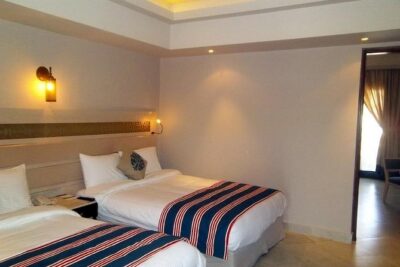
The cruise cabins are described as clean, comfortable, and equipped with the needed facilities. The roof deck is a strong feature, especially during the sailing portions. You can enjoy the Nile views without sitting in a vehicle, and older family members can rest aboard while the guide handles the sightseeing schedule.
Communication before the trip may be uneven. One booking received little information until a day or two before departure, although communication improved afterward. I would send your arrival point, contact number, dietary needs, and preferred transfer details in advance, then follow up if you have not received confirmation.
The tour has free cancellation up to 24 hours before departure and allows you to reserve without paying immediately. Those terms make it easier to hold a place while your Egypt plans take shape.
Who should book this Nile cruise?
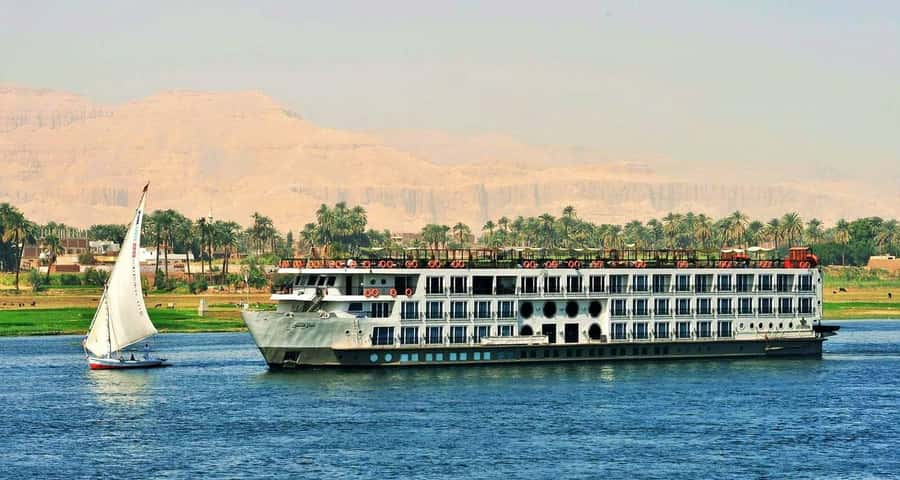
I would choose this trip if you have only four days and want the major sights handled for you. It suits first-time visitors who want an English-speaking guide, organized transport, and a clear route from Aswan to Luxor.
It also suits families, including those with older relatives, because the boat provides a stable base and the crew can be attentive. The staff has arranged small personal touches, including a birthday cake, and guides are used to helping people stay together during busy sightseeing days.
I would think twice if you want a slow, quiet cruise with long mornings and little road travel. Abu Simbel is a long early outing, and Luxor’s final day starts before sunrise. You should also allow extra money for entrance fees, drinks, tips, and the optional lunch.
Should you book it?
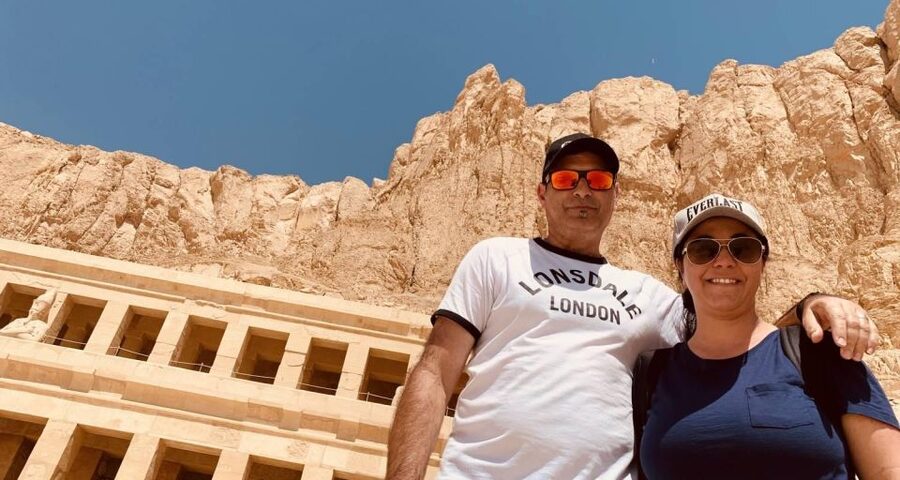
Book this Nile cruise if your priority is coverage and convenience. For $456 per person before entrance fees and customary extras, you receive the main Aswan to Luxor route, Abu Simbel, the key Luxor temples, three nights aboard ship, meals, ground transport, and a hot-air balloon flight.
The best parts are the variety and the guides. You move by boat, motorboat, carriage, air-conditioned vehicle, and balloon, while the Egyptologist gives the monuments context. The main warning is simple: protect your sleep, keep some cash for extras, and expect a full schedule.
FAQ
What is included in the four-day Nile cruise?
The package includes three nights on a five-star Nile cruise, full-board meals from lunch on the first day through breakfast on the final day, cabin facilities, an English-speaking Egyptologist, the hot-air balloon ride, air-conditioned transfers, horse-and-carriage transport at Edfu, and visits to the east and west banks of Luxor.
Are entrance fees included?
No. Entrance fees are not included and are estimated at about $80 per person for all the sites.
Is Abu Simbel included?
Yes. Abu Simbel is visited on day two, with an early pickup around 4:30 a.m. and a small shared group in an air-conditioned vehicle.
What language does the guide speak?
The live tour guide speaks English. Several guides are named in the tour information, including Ahmed Shawky Ali, Mohamed Gobran, Mahmoud Habibi, Mahmud, Amr Alah, Mohammed, and Ahmed.
Is the hot-air balloon ride included?
Yes. A hot-air balloon ride over Luxor’s west bank is included. The flight lasts about 30 to 45 minutes, with pickup around 5 a.m. on the final day.
Where can the tour finish?
The final transfer can take you to a Luxor hotel, Luxor Airport, or Luxor Railway Station. The tour usually ends around 3 to 4 p.m.
Newly added balloon flights around Aswan
- (3-Nights Cruise From Aswan To Luxor & Balloon, Abu Simbel)★ 4.5 · 23 reviews
- 4-Days Nile Cruise From Aswan To Luxor Abu Simbel and Air Balloon★ 4.5 · 2 reviews
- 8 Nights Egypt Tour,Cairo,Luxor,Aswan&Abu Simbel,Nile Cruise,Hot Air Balloon★ 4.5 · 11 reviews
- 4 Days Nile Cruise &Hot Air Balloon on M/S Movenpick Royal Lilly★ 5.0 · 4 reviews
- Luxor: 4-Night Nile cruise , Hot Air balloon , west bank , abu simbel★ 5.0 · 3 reviews
- 4-Day Nile Cruise: Aswan to Luxor & Abu Simbel + Hot Air Balloon★ 4.5 · 35 reviews
- 3-Nights Cruise From Aswan To Luxor, Hot Air Balloon,Abu Simbel★ 4.5 · 46 reviews
- Amazing 2 Nights Cruise From Aswan to Luxor including Tours and Hot Air Balloon★ 5.0 · 5 reviews
Aswan Hot Air Balloon Rides, flight against flight.
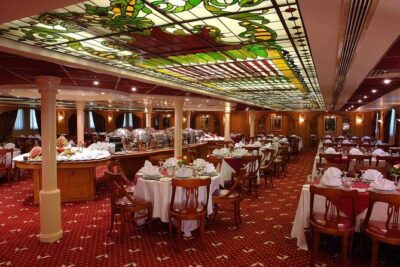
4-Days Nile Cruise From Aswan To Luxor including Abu Simbel and Hot Air Balloon
Read our review →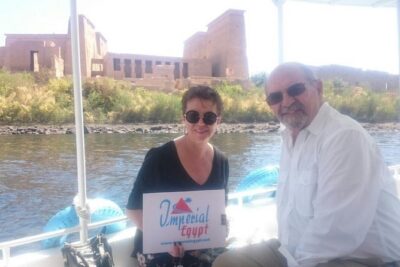
4-Day 3-Night Nile Cruise from Aswan to Luxor&Abu Simbel+Balloon
Read our review →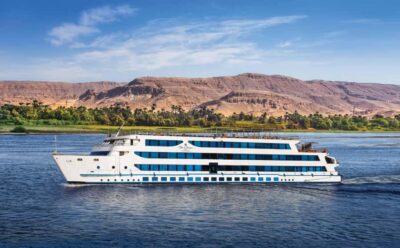
From Aswan: 3-Day Cruise to Luxor with Hot Air Balloon
Read our review →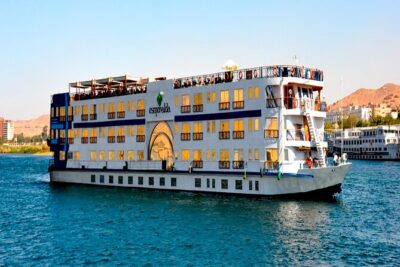
4-Day Nile Cruise sails Aswan to Luxor&Abu Simbel.Hot air Balloon
Read our review →
Amazing 3-Nights Cruise From Aswan To Luxor including Abu Simbel&Hot Air Balloon
Read our review →
Private 3-Days Nile Cruise to Luxor with Hot Air Balloon Ride
Read our review →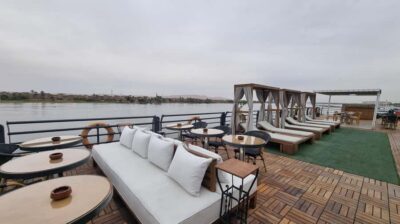
3 Nights Cruise Aswan to Luxor including Abu Simbel, Nubian Village&Air Balloon
Read our review →Balloon lists with this flight