
Review · ASWAN
3 Day Nile Cruise from Aswan to Luxor and Hot Air Balloon
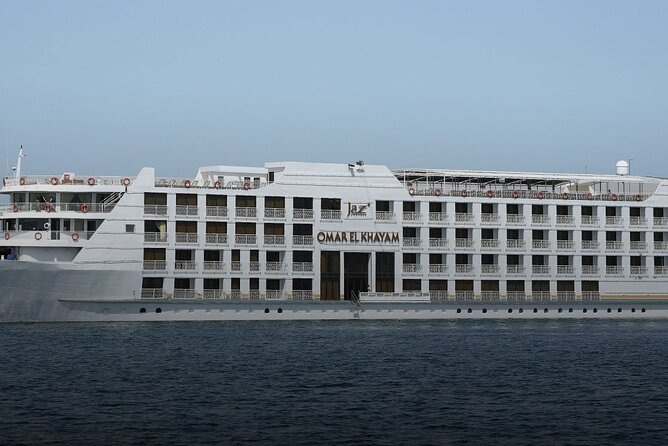
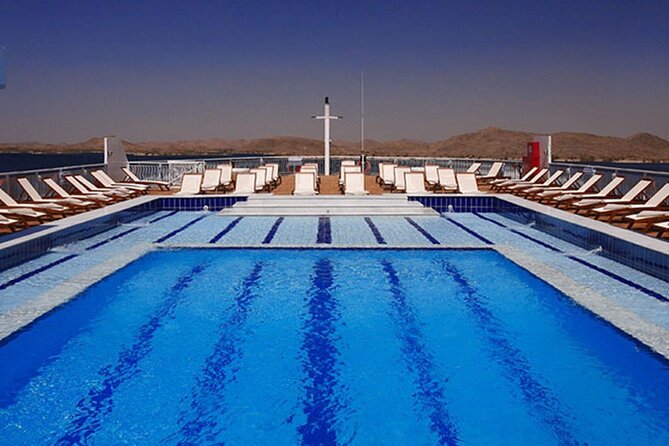
The best part of this trip is the way it links Egypt’s greatest river sites without making you change hotels every night. You wake beside the Nile, visit a major temple, then return to your boat for meals and a private cabin. Philae, Edfu, and the Valley of the Kings give you three very different views of ancient Egypt.
I like the small motorboat ride to Philae and the horse-drawn carriage trip to Edfu. I also like the amount packed into three days, especially the final morning on Luxor’s west bank. The main caution is that the published schedule does not clearly show when the hot-air balloon flight happens, and Abu Simbel appears in some tour descriptions but not in the stated itinerary or inclusions.
Key points to know before booking
- Five-star full-board cruise: Your cabin, breakfast, lunch, and dinner are included for the three-day journey.
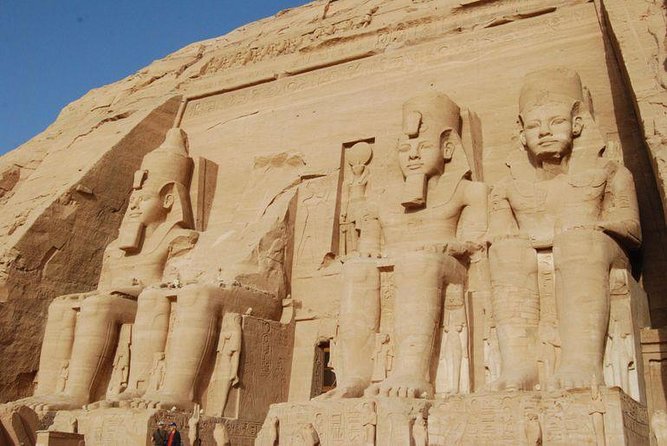
- A strong temple lineup: Philae, Kom Ombo, Edfu, Karnak, and Luxor Temple all appear in the planned visits.
- A memorable transport mix: Use a motorboat to reach Philae and a horse-drawn carriage to reach Edfu.
- Luxor’s west bank on day three: The Valley of the Kings, Hatshepsut’s temple, and the Colossi of Memnon make a fitting finish.
- Private group arrangement: Only your own group participates, with transfers in an air-conditioned vehicle.
- Check the balloon details: Bad weather brings a stated refund of $25 per person, but the timing and exact flight arrangements should be confirmed before departure.
A three-day Nile route with very little wasted motion
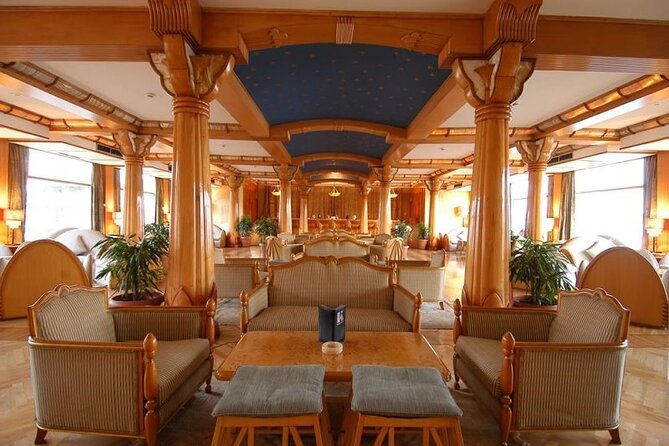
At $655.07 per person, this is not a budget Nile crossing. The price covers a private cabin on a five-star boat, full-board meals, transfers, admission tickets for the listed sites, and an Egyptologist guide. That makes the cost easier to justify if you value comfort and organization more than finding the cheapest room and arranging each temple yourself.
The private format matters. Your group travels together rather than joining a large public party, and the tour includes meet-and-assist service on arrival and departure. Transfers use a modern air-conditioned vehicle, a welcome feature in Aswan and Luxor, where site visits can involve heat, dust, and long stretches outdoors.
The schedule is ambitious. You see several major places in only three days, but this is not a slow, contemplative cruise with long afternoons free. You are buying a concentrated introduction to the Nile corridor. If you like a full sightseeing day and want the practical work handled for you, the pace should suit you. If you prefer lingering at one temple or spending hours watching the river from the deck, you may find it busy.
The tour is usually booked well ahead, with an average booking window of about 55 days. That suggests planning ahead is sensible, particularly around Christmas, New Year, and Easter, when an extra fee applies from December 20 through January 7.
More Nile Cruise and Balloon Packages in Aswan:
- 4-Days Nile Cruise From Aswan To Luxor including Abu Simbel and Hot Air Balloon
★ 5.0 · 3,142 reviews - 4-Day 3-Night Nile Cruise from Aswan to Luxor&Abu Simbel+Balloon
★ 5.0 · 2,023 reviews - 4-Day 3-Night Nile Cruise from Aswan to Luxor including Abu Simbel, Air Balloon
★ 4.5 · 612 reviews
Day one: the High Dam, Philae, and Kom Ombo
The first stop is the Aswan High Dam, built between 1960 and 1970 to control flooding and generate electricity. It was once the tallest earthen dam in the world, so this is more than a quick photo stop. It gives you modern Egyptian context before you turn to temples built thousands of years earlier.
The visit is scheduled for about two hours, including admission. The useful thing here is scale. The dam changed the Nile’s seasonal behavior and helped protect settlements from destructive floods, but it also altered the river system and required ancient monuments to be moved or protected. The tour description does not promise a detailed engineering presentation, so your Egyptologist guide will shape how much of that story you hear.
From the dam, you return toward the cruise and travel by small motorboat to Philae. This short boat ride is one of the most appealing parts of the day. Philae is dedicated mainly to Isis, one of the most important goddesses in the ancient Egyptian world, and its Graeco-Roman columns and carvings sit on an island setting that feels different from the huge temple fields farther north.
Allow roughly two hours for Philae. You will see a site shaped by both ancient worship and modern rescue work, although the exact guiding detail depends on your Egyptologist. The boat transfer adds atmosphere, but it also means you should keep your belongings secure and expect some movement between vehicle, boat, and temple.
After returning to the cruise, dinner and a folkloric show are scheduled. This gives the evening a clear shape, but do not expect the day to feel leisurely. The dam and Philae already make a solid start, and Kom Ombo is still ahead.
Kom Ombo is unusual because it was built for two gods: Sobek, the crocodile god, and Horus, the falcon-headed god. Its layout is deliberately balanced, with twin entrances, halls, and sanctuaries. That symmetry makes the site easier to understand than some sprawling temple complexes, especially when your guide points out how the two religious traditions share the same building.
The Kom Ombo visit is listed at about two hours. Its riverbank location and distinctive double design make it a strong evening stop, though the timing can feel tight after a full first day. The temple’s Ptolemaic and Roman additions also give you a useful reminder that ancient Egypt was not one single era. Different rulers kept rebuilding and reusing older religious places.
Day two: Edfu’s great gateway and Luxor’s major temples
Edfu’s Temple of Horus is the major morning visit. It was built between 237 and 57 BCE during the Ptolemaic Kingdom and is one of Egypt’s best-preserved temples. Its large pylons, carved reliefs, courtyard, columned hall, and inner sanctuary give you a remarkably clear sense of how a temple was arranged.
The scheduled visit lasts about three hours, and that extra time is welcome. Edfu has enough architectural detail to reward a slower walk. Look for the massive entrance, repeated images of Horus, and the strong procession from open courtyard toward the more restricted inner rooms.
The approach includes a horse-drawn carriage ride. That is a charming change from the air-conditioned road transfers, but it also means the experience is less predictable than simply stepping from a van into a ticket gate. The tour description does not specify carriage duration, accessibility arrangements, or how much walking remains after the ride, so ask for those details if mobility is a concern.
Edfu is also where a good Egyptologist earns the fee. Without context, you can admire the scale and preservation. With clear explanation, you can understand how the temple’s rooms, images, and rituals fit together. If your assigned guide is Mohamed Al-Dahesh, his name has been specifically associated with Spanish-language guiding and well-organized visits, though guide assignment should be confirmed rather than assumed.
The route then reaches Luxor for Karnak Temple. Karnak is not one building but a huge religious complex, primarily associated with Amun-Ra. The planned visit lasts about two hours. That is enough to see the principal areas, but not enough to inspect every chapel, column, and inscription.
The Hypostyle Hall is the visual knockout. Its 134 columns create a forest of stone, with carved surfaces that once carried strong color. The Avenue of Sphinxes, smaller chapels, and sacred lake add variety, but the complex can be hard to grasp without a map or a guide who explains the sequence.
Karnak rewards attention to layers. Pharaohs added to it over centuries, so the site is a record of changing power as much as a place of worship. I would stay close to the guide during the first walk, then use any free minutes for your own photographs. The scale can swallow a group quickly.
Luxor Temple follows, with another two-hour visit. Unlike Karnak, it feels more compact and urban. Amenhotep III began the main work, and Ramses II later added major features, including colossal statues and an obelisk at the entrance.
The temple’s carvings show religious ceremonies, military victories, and royal imagery. Its connection to the Theban Triad of Amun, Mut, and Khonsu gives your guide plenty to explain, while the avenue linking it with Karnak helps you see the two sites as part of one larger sacred center.
Two large temples in one day is a lot. You will gain a broad picture of Luxor’s east bank, but your feet may feel the schedule. Bring water, a hat, and shoes that handle uneven stone. The tour includes admission tickets, but personal expenses and tipping are not included.
Day three: royal tombs and the west bank
The third day turns to Luxor’s west bank, beginning at the Valley of the Kings. This is where New Kingdom pharaohs were buried in rock-cut tombs between roughly the 16th and 11th centuries BCE. The setting is stark, and the decoration moves indoors, with painted scenes and hieroglyphs showing the journey into the afterlife.
The visit is planned for two hours. Admission is included, but the information provided does not specify which tombs are included or whether the tomb of Tutankhamun carries a separate charge. That is an important detail to confirm if Tutankhamun is your priority. The famous tomb is a separate choice at many Egyptian sites, and the standard ticket arrangement can vary.
The Valley is not about grand exterior buildings. It is about entering narrow, decorated spaces cut into the rock. Some people love the intimate scale and vivid artwork. Others may find the heat, steps, and confined rooms tiring. Your guide can help you decide how to use the available time, but the exact tomb selection should be clear before you arrive.
Next comes the Temple of Hatshepsut at Deir el-Bahari, scheduled for one hour. Hatshepsut was one of Egypt’s few female pharaohs, and her mortuary temple is known for its broad terraces set against the cliffs. Its design feels more open and geometric than the tombs, making it a good contrast after the Valley.
One hour gives you time to see the main terraces and understand the setting, though not every relief in detail. The temple’s story also raises useful questions about royal power and how later rulers treated the memory of earlier ones. This is another stop where a good guide can turn an impressive façade into a memorable historical episode.
The final stop is the Colossi of Memnon, two seated quartzite statues of Amenhotep III. Each rises about 18 meters, or 59 feet. The stop lasts only 30 minutes and has no admission charge, so treat it as a brief final look rather than a full site visit.
The statues are easy to appreciate quickly. Their scale and weathered surfaces make a strong closing image, even if you have only a short time for photographs. After three days of temples and tombs, this short stop is probably the right length.
More Three-Day Trips in Aswan:
- From Aswan: 3-Day Cruise to Luxor with Hot Air Balloon
★ 4.3 · 598 reviews - From Aswan: 2 Night-3 Day Nile Cruise & Hot Air Balloon Ride
★ 5.0 · 19 reviews - 3 Day Nile Cruise from Aswan and Luxor Hot Air Balloon
★ 5.0 · 15 reviews - Amazing Sailing Nile Cruise From Aswan For 2 Nights 3 Days Including Balloon
★ 4.5 · 7 reviews
What the hot-air balloon adds, and what needs checking
The experience title includes a hot-air balloon flight, and the supplied cancellation terms say you receive a $25 refund per person if bad weather cancels it. That tells you the flight is weather-dependent, but the published day-by-day schedule does not state its launch time, location, flight length, or exactly which day it takes place.
That gap matters because balloon flights usually require an early start, and the third day already includes the Valley of the Kings, Hatshepsut’s temple, and the Colossi of Memnon. Ask the operator to confirm the balloon meeting time, transport, safety arrangements, and whether it replaces or precedes part of the west-bank program.
Several published comments also refer to Abu Simbel. However, Abu Simbel is not included in the stated itinerary or included-services list provided here. Do not assume it is part of this price. Ask specifically if you want to add it, and request the extra cost, transport time, and effect on the cruise schedule in writing.
Food, cabins, guides, and the practical side
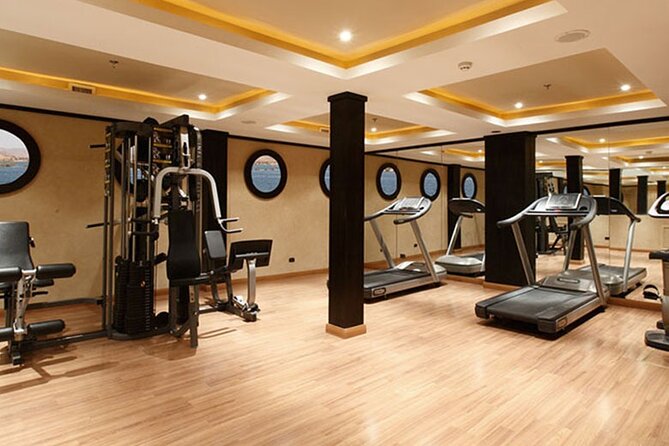
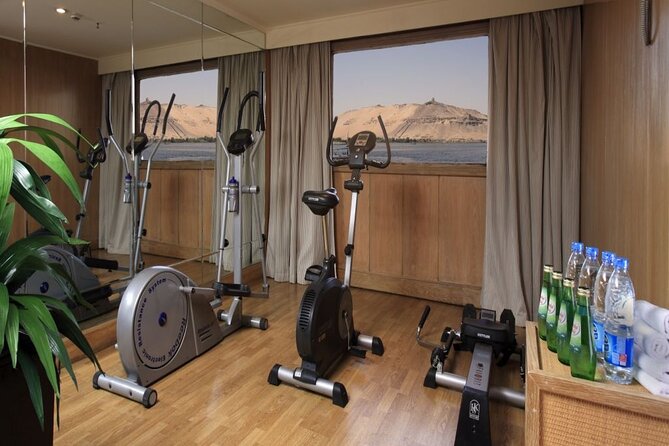
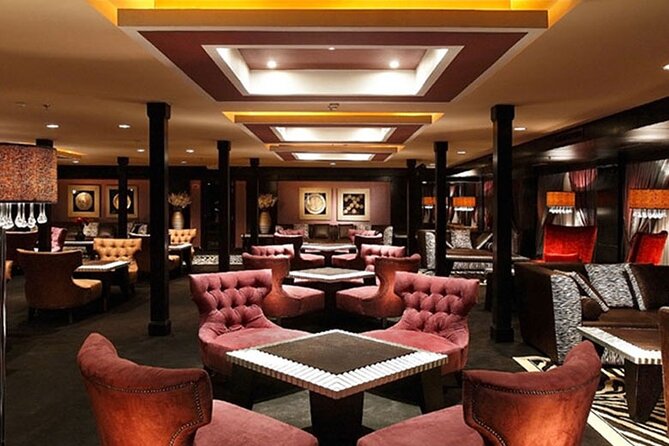
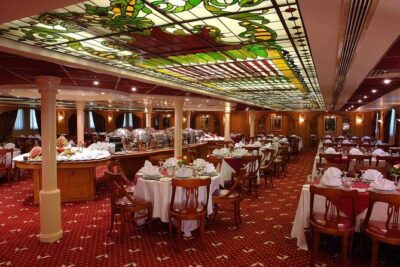
The boat provides full board, with two breakfasts, two lunches, and two dinners listed. The dining experience is described as varied, and the crew is praised for friendly service, clean rooms, and attention to comfort. Those details matter on a short cruise because you have little spare time to solve problems once the boat is moving.
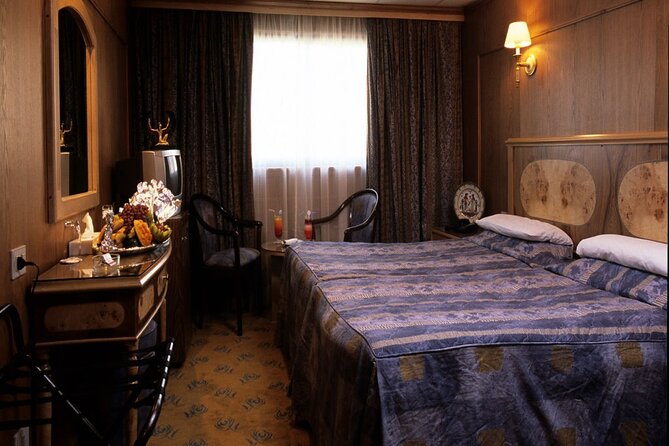
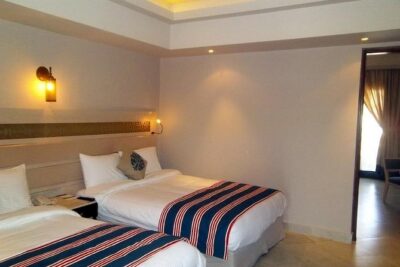
Cabin arrangements depend on the booking. A solo guest must book for one person to have a private room. Three people traveling together use one triple room, while a group member who wants a room alone needs a separate single booking. Check this before paying, since room expectations can change the value of the package.
The tour begins at noon, and pickup is offered. Since the exact pickup point is not stated in the information provided, confirm where the driver will meet you and how much luggage can be carried in the vehicle. Mobile tickets and booking confirmation are available at booking, and most people can participate, but the schedule includes uneven temple ground, steps, carriage transfers, and boat boarding.
Tipping is not included. The amount is not specified, so carry Egyptian pounds or ask the operator for its current tipping guidance. Free cancellation is available up to 24 hours before the start time. Changes or cancellations inside that window are not accepted for a refund.
Is this Aswan to Luxor cruise worth booking?
I would choose this trip if you want a tidy first visit to the Nile, a private cabin, included meals, and guided access to the main monuments. The combination of Philae by motorboat, Edfu by carriage, and Luxor’s west-bank tombs gives the route real variety. The boat also saves you from repacking between Aswan and Luxor.
I would hesitate if you want a slow cruise, guaranteed balloon details, or a clearly confirmed Abu Simbel visit. The schedule is full, and the published information leaves a few important questions unanswered. Before booking, confirm the cruise vessel, cabin type, balloon timing, tomb ticket details, and whether Abu Simbel is extra.
For a history-focused visitor with only three days, the value is strong. You get transport, accommodation, meals, guiding, and admission to a substantial run of sites for $655.07 per person. Book it if convenience and coverage matter most, but ask those final questions first so the trip you pay for matches the trip you expect.
FAQ
How long is the Nile cruise from Aswan to Luxor?
The experience lasts approximately three days and begins at 12:00 pm.
Is accommodation included?
Yes. Accommodation aboard a five-star cruise is included on a full-board basis. A solo guest must book for one person to have a private room, while three people traveling together use one triple room.
Are meals included?
Yes. The package includes two breakfasts, two lunches, and two dinners.
Is a guide included?
Yes. An Egyptologist guide accompanies the excursions. Mohamed Al-Dahesh is identified by name in the supplied tour information, with Spanish-language guiding noted, but you should confirm your assigned guide before departure.
Is the hot-air balloon flight included?
The experience is advertised with a hot-air balloon flight. If bad weather cancels it, the stated refund is $25 per person. The provided schedule does not specify the flight time or exact arrangements.
Is Abu Simbel included?
Abu Simbel is not listed among the stated itinerary stops or included services provided here. Confirm with Roxana Travel before booking if you want to visit it.
What is not included in the price?
Tipping is not included. The tour information also says an additional fee applies during the peak period from December 20 through January 7.
Newly added balloon flights around Aswan
- 4-Days Nile Cruise From Aswan To Luxor Abu Simbel and Air Balloon★ 4.5 · 2 reviews
- (3-Nights Cruise From Aswan To Luxor & Balloon, Abu Simbel)★ 4.5 · 23 reviews
- 8 Nights Egypt Tour,Cairo,Luxor,Aswan&Abu Simbel,Nile Cruise,Hot Air Balloon★ 4.5 · 11 reviews
- 4 Days Nile Cruise &Hot Air Balloon on M/S Movenpick Royal Lilly★ 5.0 · 4 reviews
- Luxor: 4-Night Nile cruise , Hot Air balloon , west bank , abu simbel★ 5.0 · 3 reviews
- 4-Day Nile Cruise: Aswan to Luxor & Abu Simbel + Hot Air Balloon★ 4.5 · 35 reviews
- 3-Nights Cruise From Aswan To Luxor, Hot Air Balloon,Abu Simbel★ 4.5 · 46 reviews
- Amazing 2 Nights Cruise From Aswan to Luxor including Tours and Hot Air Balloon★ 5.0 · 5 reviews
Aswan Hot Air Balloon Rides, flight against flight.
4-Days Nile Cruise From Aswan To Luxor including Abu Simbel and Hot Air Balloon
Read our review →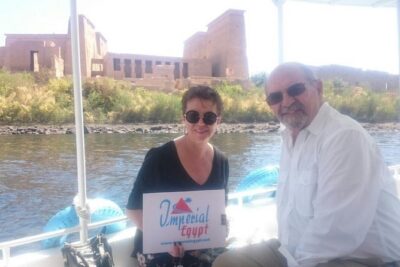
4-Day 3-Night Nile Cruise from Aswan to Luxor&Abu Simbel+Balloon
Read our review →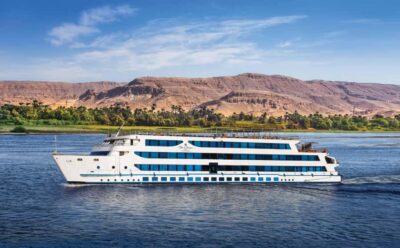
From Aswan: 3-Day Cruise to Luxor with Hot Air Balloon
Read our review →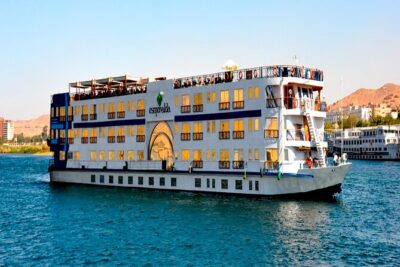
4-Day Nile Cruise sails Aswan to Luxor&Abu Simbel.Hot air Balloon
Read our review →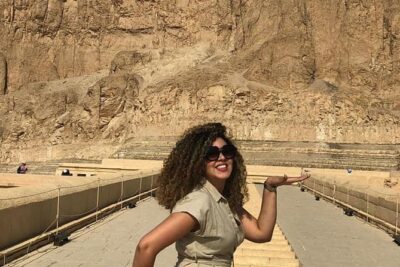
Amazing 3-Nights Cruise From Aswan To Luxor including Abu Simbel&Hot Air Balloon
Read our review →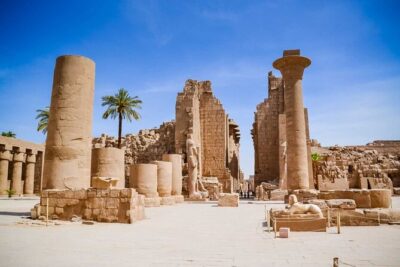
Private 3-Days Nile Cruise to Luxor with Hot Air Balloon Ride
Read our review →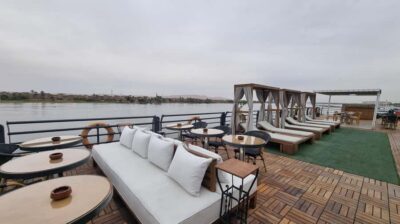
3 Nights Cruise Aswan to Luxor including Abu Simbel, Nubian Village&Air Balloon
Read our review →Balloon lists with this flight