
Review · LUXOR
5-Day Adventure Nile Cruise from Luxor to Aswan & Hot Air Balloon
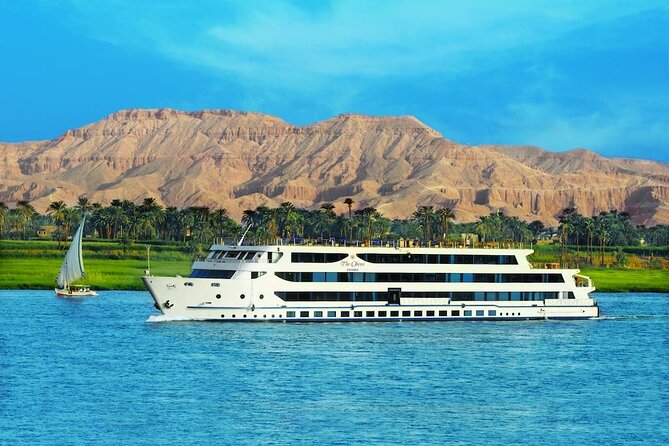
The best part of this five-day journey is the way it links Egypt’s greatest monuments by river. You begin among Luxor’s temples, watch the Nile drift past from a deluxe ship, then finish at Abu Simbel near the Sudanese border. The hot-air balloon flight and private vehicle with guide add experiences that a basic cruise often leaves out.
I especially like the carefully connected route and the chance to see both the famous sites and smaller details, such as the unfinished obelisk and the twin sanctuaries at Kom Ombo. Yasser is associated with the trip coordination, while Ahmed and Mohammed are among the Egyptology guides connected with the service. The main drawback is the pace: several sightseeing days begin early and include long visits in the heat, while the $1,300 price is a serious commitment.
Key points to know before booking
- Four nights on a five-star Nile cruise: Full-board accommodation includes breakfast, lunch, and dinner for four nights.
- A sunrise balloon flight over Luxor: The 45-minute ride gives you a rare overhead view of ancient Thebes.
- Private touring on land: Air-conditioned vehicles, qualified drivers, and an English-speaking Egyptology guide are included.
- The major temples are covered: You visit Luxor, Karnak, Edfu, Kom Ombo, Philae, and Abu Simbel.
- Evening entertainment is part of the cruise: Expect a djellaba party, belly-dance show, and felucca outing.
- The route ends with Abu Simbel: The final excursion lasts about five hours, making the last day long but memorable.
Four nights on the Nile, with the sightseeing built in
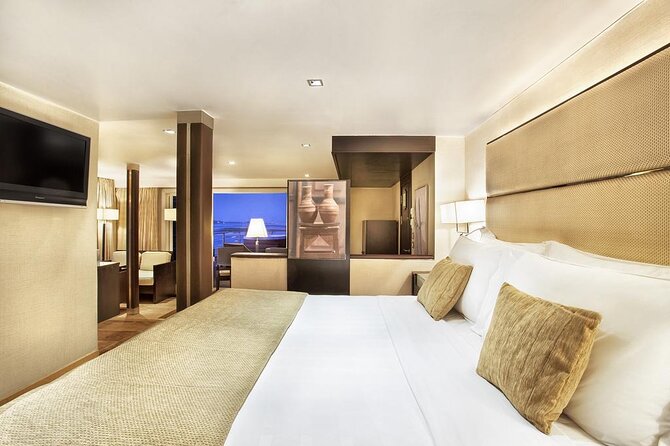
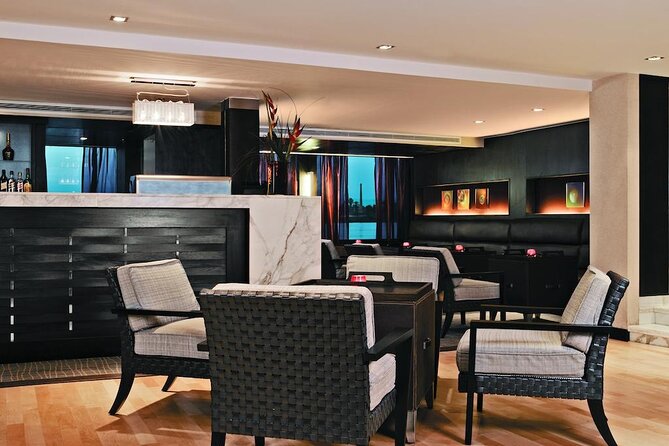
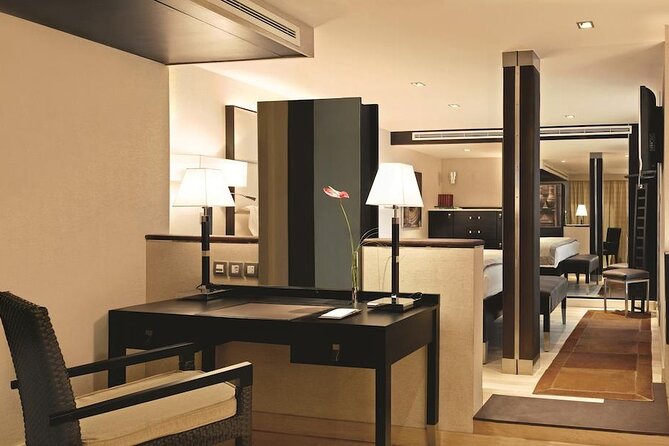
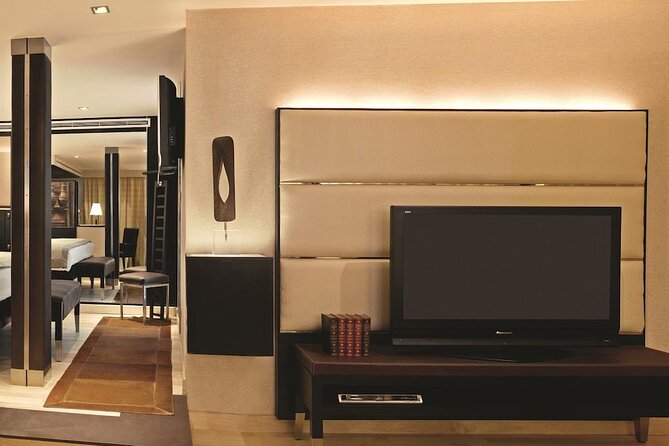
This is best understood as a moving base rather than a standard hotel tour. You unpack once, sleep aboard the ship, and use the cruise as your link between Luxor and Aswan. Meals are included, and the ship provides a change of pace between temple visits.
The cruise is described as deluxe and five-star, but the exact ship can vary. Past guests have referred to vessels including Princess Sarah, Royal Beau Rivage, and Louvian. That matters because ship size, cabin design, dining, and onboard atmosphere can differ. Ask which vessel is scheduled before paying, especially if cabin quality is important to you.
The full-board setup is useful. Breakfast, lunch, and dinner are included each day, so you do not need to search for meals after a long morning at a temple. Drinks, tips, and cruise Wi-Fi are not included. Wi-Fi is optional, and tipping is expected for the guide, driver, and cruise staff, so allow extra money beyond the advertised fare.
At $1,300 per person, the value comes from the number of services packed into the price: four nights aboard ship, private transfers, a guide, meals, the balloon ride, and major excursions from Luxor to Aswan. It is not a budget Nile cruise. Still, arranging these pieces separately could take time, especially when early balloon transport and the distant Abu Simbel trip are involved.
More Nile Cruise and Balloon Packages in Luxor:
- From Luxor: 3-Night Nile Cruise to Aswan and Hot Air Balloon
★ 3.7 · 297 reviews - From Luxor: 5-Day Nile Cruise to Aswan with Balloon Ride
★ 4.2 · 168 reviews - Private Tour to Luxor West and East Banks with Hot Air Balloon,Felucca and lunch
★ 5.0 · 162 reviews
Luxor Temple and Karnak set the tone
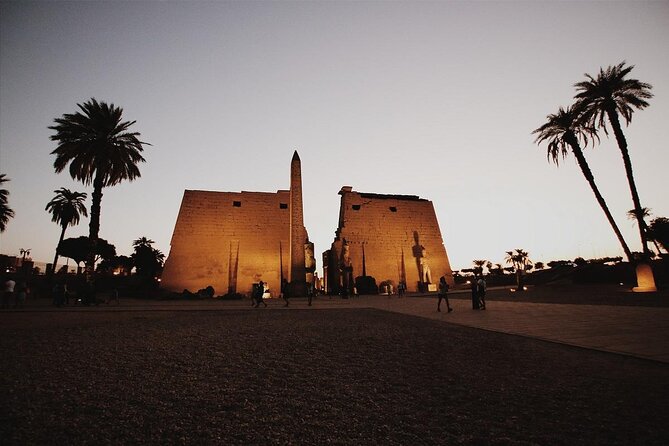
Your first day begins at noon, then moves to Luxor Temple and Karnak. That start time is convenient if you arrive in Luxor that morning, though it gives you little room for a delayed flight or slow hotel checkout. Pickup is offered, but confirm the exact meeting point and timing in advance.
Luxor Temple is a strong opening stop. Built around 1400 BCE on the eastern bank of the Nile, it was known in ancient Egyptian as Ipet Resyt, or the southern sanctuary. The temple feels more compact than Karnak, which makes it easier to take in during a two-hour visit. Look for the grand entrance, columns, and the way later rulers added their own marks to an older sacred site.
Karnak needs another two hours, and you should welcome that time. This is not one single building but a huge religious complex of pylons, halls, chapels, and sanctuaries built over many centuries. Much of what you see comes from the New Kingdom, although construction continued from the Middle Kingdom into the Ptolemaic period.
A guide makes a real difference here. Without context, Karnak can become a procession of giant stones. With help, you can follow the role of Amun and the Theban Triad, understand how the complex expanded, and see why Ipet-isut was considered one of Egypt’s most sacred places.
A balloon sunrise and the tombs of the pharaohs
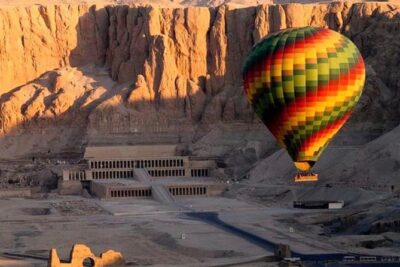
Day two begins early with a 45-minute hot-air balloon ride over Luxor. The flight gives you a broad view of the Nile, fields, desert, and the ancient sites on the west bank. The soft morning light is the main attraction, but the flight also helps you understand Luxor’s geography. From the air, the contrast between cultivated land and dry desert becomes clear.
Weather matters. The flight requires suitable conditions, and poor weather can lead to a different date or a full refund. It is wise to keep the first part of the day flexible rather than booking another fixed activity immediately afterward.
The Valley of the Kings follows, with about two hours on site. For roughly 500 years, pharaohs and important nobles of the New Kingdom had tombs cut into the rock here. The famous name can create unrealistic expectations: the valley is not a collection of intact palaces, and the painted chambers vary in condition and access. Your guide can help you focus on what is open and explain the purpose of the tombs.
You then visit the Temple of Hatshepsut at Deir el Bahari. Its terraces and steep setting make it one of the most visually striking places on the west bank. Hatshepsut ruled as pharaoh during the Eighteenth Dynasty, and the temple reflects both ceremony and political messaging. Give yourself time to look beyond the main facade, where the setting against the cliffs helps explain the design.
The day ends at the Colossi of Memnon, two enormous statues of Amenhotep III. The stop lasts only about 20 minutes and is free, so think of it as a quick photo and history break rather than a full museum visit. After the valley and Hatshepsut, the short stop is welcome, though the day as a whole will feel demanding.
Edfu and Kom Ombo, two very different temples
Day three shifts the focus from Luxor’s west bank to two river temples. Edfu, dedicated to Horus, is one of the best-preserved ancient Egyptian sanctuaries. It was known in the Hellenistic period as Apollonopolis Magna, linking Horus with Apollo in Greek interpretation.
Plan on two hours at Edfu. The large pylons, enclosed courts, and reliefs give you a strong sense of how a complete temple worked. Since the structure is relatively intact, you can follow the layout more easily than at many ruined sites. The visit also helps connect Egyptian religious ideas with the later Greek and Roman periods.
Kom Ombo offers a different experience. Built mainly during the Ptolemaic period between 180 and 47 BCE, it is a double temple dedicated to two deities. Its unusual symmetry is the key detail: two sets of courts, halls, and sanctuaries share one structure.
The site sits beside the river, and the light late in the day can be appealing. Allow two hours, though the actual schedule depends on the ship’s docking arrangements. River cruises sometimes have firm departure times, so stay aware of your guide’s instructions rather than wandering off on your own.
These visits are a good example of why a private guide adds value. Edfu and Kom Ombo can look similar at first glance if you only notice pylons and columns. The guide can point out the separate religious functions and explain how later rulers adapted older Egyptian traditions.
More Five-Day Trips in Luxor:
- 5-Day Nile Cruise to Aswan from Luxor with Hot Air Balloon Ride
★ 4.5 · 87 reviews - 5-Day 4-Night Nile Cruise from Luxor to Aswan include Balloon
★ 5.0 · 78 reviews - 5-Day Luxor and Aswan Nile Cruise with Abu Simbel and Hot Air Balloon
★ 5.0 · 60 reviews - 5-Day Nile Cruise Luxor to Aswan Abu Simbel and Hot-Air Balloon
★ 5.0 · 56 reviews
Philae, the High Dam, and Aswan’s stonework
Day four is devoted to Aswan. Philae is the highlight. The temple complex now sits on an island in the reservoir created by the Aswan Low Dam, downstream from the High Dam and Lake Nasser. Its present location is not its original one, since the ancient site was moved because of rising water.
That relocation is important context. At Philae, you are seeing an ancient sanctuary that survived not only centuries of political change but also a modern engineering project. Allow two hours. The setting on the water gives the visit a different mood from the inland temples at Luxor, Edfu, and Kom Ombo.
The Aswan High Dam takes about 30 minutes. It is less ornate than the temples, but it explains the modern forces that changed the Nile. Built between 1960 and 1970, it was a major engineering project and overshadowed the earlier Aswan Low Dam completed in 1902.
Some people will find the dam less exciting than the monuments. I still think it earns its place because it helps you understand why Philae was moved and how Lake Nasser became part of the region’s modern story. Keep your expectations realistic: this is a short stop, not a full technical tour.
The Unfinished Obelisk takes about an hour. Cut into the Aswan quarries, it is the largest known obelisk of its kind, left in place after a flaw appeared in the stone. The site gives you a practical look at ancient quarrying. Instead of admiring only finished monuments, you can see how a massive piece of stone was shaped and where the work stopped.
Abu Simbel makes the final day worthwhile
The final excursion is Abu Simbel, about 230 kilometers southwest of Aswan near the Sudanese border. The temple complex contains two huge rock-cut temples on the western shore of Lake Nasser. Allow five hours for the visit itself, and expect the day to feel long.
Abu Simbel is worth the effort because it is not simply another temple with columns and reliefs. The scale of the rock-cut facades is hard to grasp until you are in front of them. The setting near Lake Nasser also connects the site to the same modern water projects that affected Philae.
The five-hour visit means you should protect your energy. Wear practical shoes, carry water, and bring sun protection. The tour includes transportation and an air-conditioned vehicle, which is a major help on this distant excursion, but the drive and heat still make it a demanding finish.
The final day also reveals one of the package’s tradeoffs. Abu Simbel is included, saving you the trouble of arranging a separate trip, but it leaves little spare time. If you want a relaxed final morning in Aswan, this schedule may feel too full.
Life aboard ship between the monuments
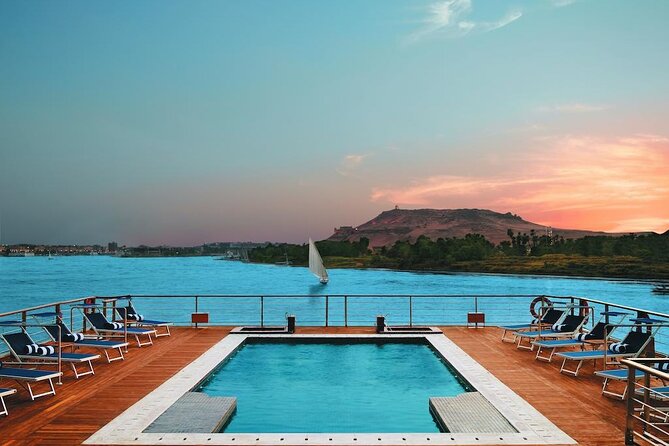
The cruise is not only transportation. Onboard activities include a djellaba party, a belly-dance show, and a felucca sailboat outing. These events give you something to do after the temples and offer a lighter side of the trip.
The felucca excursion is especially different from the large cruise ship. A traditional sailboat puts you closer to the water and gives you a quieter view of the river. Conditions and timing can affect the experience, so think of it as a pleasant change of pace rather than a long sailing expedition.
Evening entertainment can be fun, but it will not suit everyone. If you prefer early nights after pre-dawn starts, you may skip some of the shows. The benefit of this package is choice: the activities are available, but you do not need to attend every one.
Past guest accounts give the service team strong credit for organization and personal attention. Yasser is repeatedly connected with coordinating transfers and local support, while guides named Ahmed and Mohammed are praised for their work with private groups. That personal structure is useful in Egypt, where transport times, dock access, and site entry can require constant coordination.
What to budget and who should book
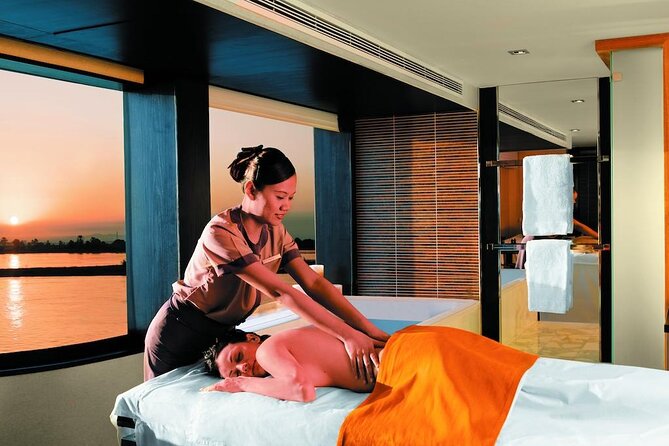
The $1,300 price includes four nights aboard a five-star Nile cruise, full-board meals, an English-speaking representative, an Egyptology guide, air-conditioned transfers, qualified drivers, admission to the listed sites, the balloon ride, and Abu Simbel. That is a substantial bundle.
You should still budget for tips to the guide, driver, and cruise crew. Cruise Wi-Fi costs extra. Group discounts are available, and the activity is private, meaning only your own group participates rather than joining a larger sightseeing party.
This trip suits you best if you want Egypt’s major Nile sights arranged in one package and prefer a private guide over a large group. It also works well for families, since participation is allowed from age two, though the early mornings and long Abu Simbel day may test younger children.
It is less suitable if you want a slow, independent visit or if you dislike fixed schedules. The route covers a lot in five days, and the best sites require early starts, long walks, and time outdoors.
Should you book this Nile cruise?
Book it if you want a strong first look at Upper Egypt with the hard planning handled for you. The combination of Luxor’s tombs and temples, a sunrise balloon flight, a moving hotel on the Nile, private touring, and Abu Simbel gives you a broad and memorable introduction.
Before booking, confirm the exact ship, cabin details, pickup point, sailing dates, and how the balloon flight is handled if weather changes. If those details suit you, the package offers good value for a tightly planned five-day route. If you want more free time, add extra nights in Luxor or Aswan rather than expecting this cruise to feel leisurely.
FAQ
How long is the Nile cruise?
The experience lasts approximately five days and includes four nights aboard a five-star Nile cruise.
What meals are included?
Breakfast, lunch, and dinner are included for four days, with full-board accommodation on the cruise.
Is the hot-air balloon ride included?
Yes. A 45-minute hot-air balloon flight over Luxor is included, subject to suitable weather.
Is this a private tour?
Yes. Only your group participates in the private tour and activity.
Is Abu Simbel included?
Yes. The final day includes a visit to the Abu Simbel Temple Complex, with about five hours allocated to the stop.
What happens if bad weather cancels the experience?
If poor weather causes cancellation, you will be offered a different date or a full refund. You can also cancel up to 24 hours before the start time for a full refund.
Newly added balloon flights around Luxor
- Hot Air Balloon Flight in Luxor with Pickup★ 4.5 · 14 reviews
- Luxor Tours: City Tour,Hot Air Balloon,Kings Valley,Sailing Felucca,Camel Ride★ 4.5 · 19 reviews
- Hot Air Balloon Ride and Tour to Valley of Kings Luxor- Special Offer★ 5.0 · 15 reviews
- PRIVATE HOT AIR BALLOON IN LUXOR RIDE IN SMALL LUXURY GROUP FLIGHT up to 12★ 5.0 · 2 reviews
- Enjoy The hot Air Balloon,Kings Valley,Sailing Felucca,Camel Ride in Luxor★ 5.0 · 6 reviews
- Amazing Luxor hot air balloon and tour to valley of the kings.Special offer★ 5.0 · 3 reviews
- Balloon Ride Luxor Egypt★ 5.0 · 68 reviews
- Enjoy The hot Air Balloon,Kings Valley,Sailing Felucca,Camel Ride in Luxor★ 5.0 · 6 reviews
Luxor Hot Air Balloon Rides, flight against flight.
Hot Air Balloon Ride in Luxor Egypt with Transfers Included
Read our review →
Luxor: Hot Air Balloon Ride over Luxor Relics
Read our review →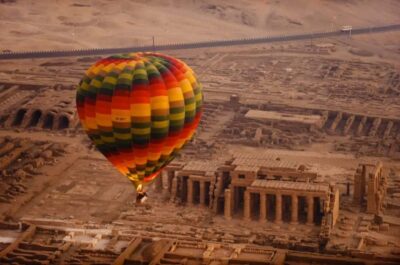
Hurghada: 2-Day Luxor Tour with Hotel, Balloon, & Boat Ride
Read our review →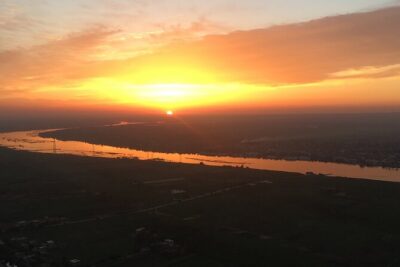
Luxury Sunrise Balloon Ride in Luxor with Hotel Pickup
Read our review →
Sunrise Hot Air Balloon Over the Historical sites in Luxor
Read our review →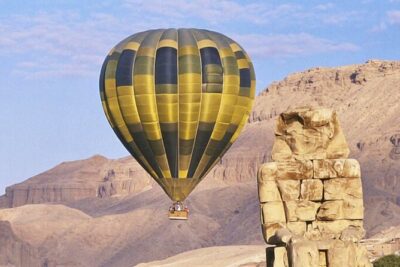
Sunrise Ballooning Luxor with Transfers Included
Read our review →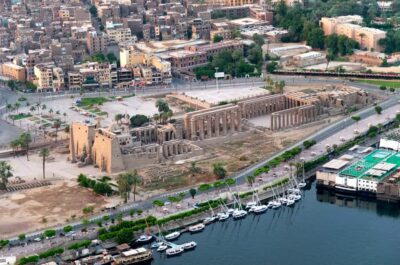
Luxor: Hot Air Balloon Ride with Full-Day Sights Tour
Read our review →Balloon lists with this flight