
Review · ASWAN
3-Nights Cruise From Aswan,Aswan and Luxor Temples & Tours With Balloon
The most memorable part of this four-day Nile journey is the mix of slow river travel and major ancient sites. You move from Aswan to Luxor by ship, then see the Nile Valley from above in a hot-air balloon, with the Valley of the Kings and Luxor’s temples filling out the route.
I like the easy structure: transport, meals, guides, and a cabin are arranged together, so you can focus on the sites rather than daily transfers. I also like the unusual reach of the program, especially Abu Simbel and the balloon flight. The main caution is cost control. The $660 price includes the cruise and many services, but entrance fees are listed separately, so your final spending will be higher.
Key points at a glance
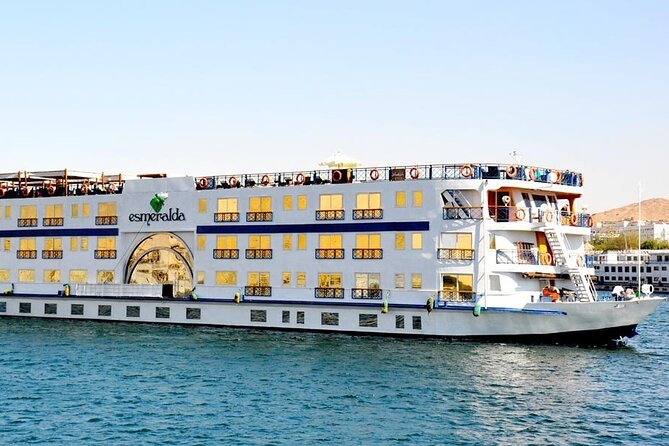
- A south-to-north Nile route: Travel from Aswan to Luxor over three nights aboard a 5-star cruise.
- Abu Simbel included in the schedule: Expect a long excursion of about seven hours to reach Ramses II’s great temples south of Aswan.
- A sunrise balloon flight over Luxor: See the West Bank, royal tombs, and temples from the air, weather permitting.
- Private group format: Only your own group takes part, with pickup from an Aswan hotel, airport, or train station.
- Guides who can make a difference: Mohamed and Laila are specifically praised for clear English, detailed explanations, and personal help.
- Meals are covered: The package includes three breakfasts, four lunches, and three dinners, though site admission fees are extra.
Why this Nile cruise works well
A Nile cruise is one of the more practical ways to see Upper Egypt. Aswan and Luxor are separated by a long stretch of river and road, with important temples along the way. This trip turns that distance into part of the experience.
Instead of packing and unpacking for each stop, you stay in one cabin for three nights. The ship provides your base while the tour team handles transfers by air-conditioned minibus, boat rides, and the horse-and-carriage transfer listed for the itinerary.
The private format is useful if you prefer a smaller, more controlled day. It also means the guide can spend more time answering questions. Mohamed is noted for taking time with explanations and helping with a first mosque visit. Laila is praised for friendly service and easy-to-understand English. You cannot assume which guide will lead your group, but both names are worth requesting when you book.
The cruise is not a quiet museum tour from dawn to dusk. Onboard entertainment is included, and the schedule has several early starts. You will see a lot in four days, but you should be ready for long sightseeing hours, especially on the Abu Simbel day.
More balloon flights worth the early start around Aswan:
- 4-Days Nile Cruise From Aswan To Luxor including Abu Simbel and Hot Air Balloon
★ 5.0 · 3,142 reviews - 4-Day 3-Night Nile Cruise from Aswan to Luxor&Abu Simbel+Balloon
★ 5.0 · 2,023 reviews - 4-Day 3-Night Nile Cruise from Aswan to Luxor including Abu Simbel, Air Balloon
★ 4.5 · 612 reviews
Day 1: Philae Island and the Aswan High Dam
Pickup begins at your Aswan hotel, Aswan Airport, or Aswan Train Station. That broad pickup arrangement is helpful if you are arriving by different transport, though you should provide exact arrival details at booking.
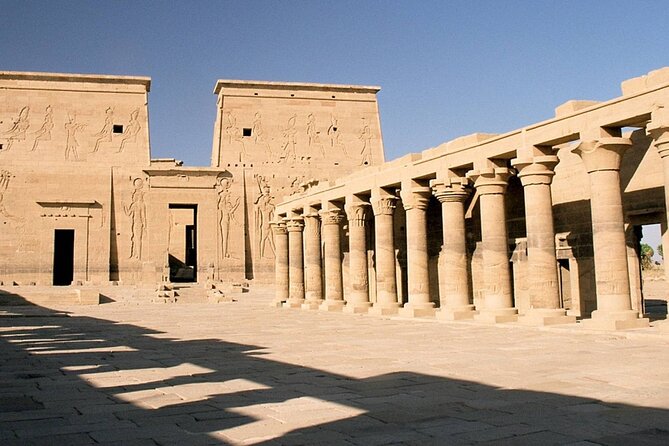
The first major stop is the Temple of Philae, reached by motorboat on an island in the Nile. The water approach matters. Rather than arriving beside a modern road, you see the temple set apart from the riverbank, which gives the visit a sense of arrival and separation.
Philae was devoted mainly to Isis, one of ancient Egypt’s most important goddesses. The island also held buildings connected with other deities, including Hathor. Much of the original site was moved when the Aswan High Dam changed the river’s water level, so the temple you visit is also part of a major preservation effort.
Allow about two hours here. The admission ticket is not included, despite the broad wording that the listed sites are part of the program. Budget separately for entrance charges, and ask the operator exactly which tickets are covered before departure.
The next stop is the Aswan High Dam, a huge modern work built during the presidency of Gamal Abdel Nasser with Soviet assistance. It measures about 3,600 meters long and 111 meters high. Its role in flood control and power generation changed Egypt’s relationship with the Nile, though it also forced the relocation of important Nubian monuments.
The dam is not an ancient temple, and some visitors may find the stop less atmospheric than Philae. Still, it gives useful context. You see the modern engineering project that made the rescue and relocation of sites such as Philae necessary.
Day 2: The long road to Abu Simbel and the river stop at Kom Ombo
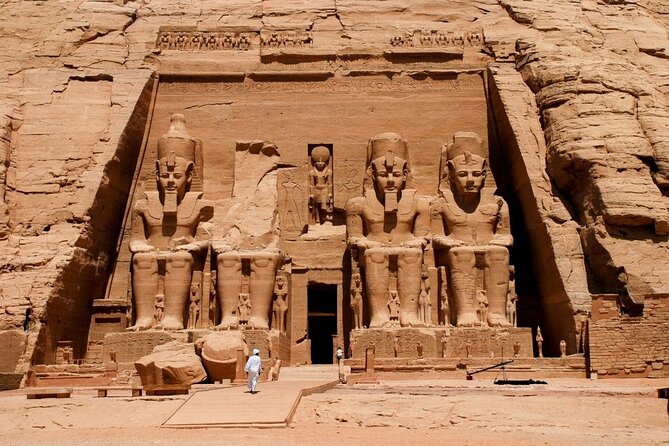
The Abu Simbel excursion is the day to plan around. The complex lies roughly 285 to 290 kilometers southwest of Aswan, on the western bank of Lake Nasser. The stated visit lasts about seven hours, which includes the lengthy transport involved in reaching this remote site.
Abu Simbel was cut into the rock during the reign of Ramses II in the 13th century BC. The larger temple honors Ramses II, while the smaller temple is connected with Queen Nefertari. The great seated figures at the entrance are among Egypt’s most recognizable monuments.
The temples were moved in the 1960s when the High Dam threatened to submerge them. They were rebuilt on an artificial hill, preserving the carved facades and interior chambers. That relocation is part of what makes Abu Simbel especially important: you are seeing ancient architecture saved by a large international engineering effort.
This is a demanding excursion. The schedule is worthwhile if Abu Simbel is high on your list, but it leaves less time for rest on day two. Bring water, sun protection, and patience for the road. Since the admission fee is separate, confirm the ticket cost before you go.
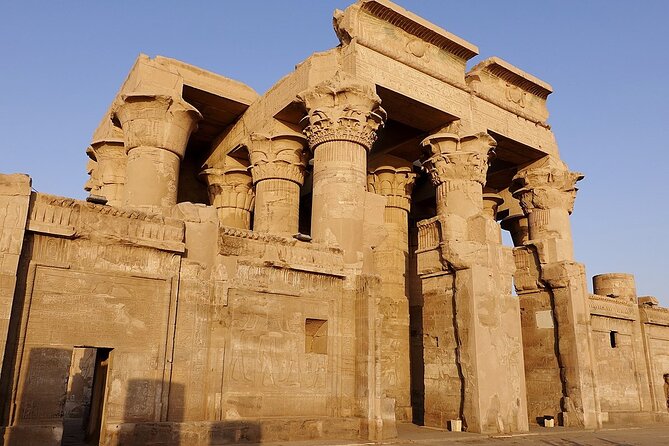
Later, the cruise reaches Kom Ombo Temple, with about two hours scheduled for the visit. This Ptolemaic and Roman-era temple is unusual because it serves two gods, Sobek and Horus. Sobek has a crocodile connection, while Horus appears in a falcon-headed form.
The symmetrical layout makes Kom Ombo easy to understand. One side is linked with Sobek and the other with Horus, giving the temple a split character that is different from the single-deity focus found at many other Egyptian sites.
The temple has undergone restoration, and its reliefs help explain religious practice in the later periods of ancient Egypt. After a long Abu Simbel day, the two-hour visit may feel full, but it is a good place to look closely rather than rush through a huge complex.
Day 3: Edfu and Luxor Temple after dark
The Temple of Horus at Edfu is one of the best-preserved temples in Egypt. Built during the Ptolemaic period between 237 and 57 BC, it offers a strong sense of scale because so much of the structure remains.
The inscriptions are especially useful. They record religious stories, building work, and temple practices, giving your guide plenty to explain. The temple was dedicated to Horus, who was linked by the Greeks with Apollo.
Two hours is a sensible amount of time for Edfu. You can study the monumental entrance, courts, columns, and wall carvings without having to sprint through the site. The itinerary also lists a horse-and-carriage ride among the included services, which is connected with the local transfer arrangement.
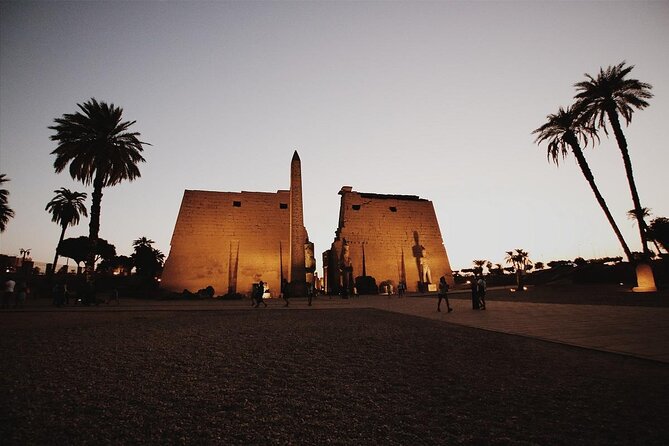
Later comes Luxor Temple, on the east bank of the Nile. This temple began around 1400 BC and was linked with Amun-Ra, Mut, and Khonsu, the Theban triad. Amenhotep III created much of the original temple, while Ramses II added major features, including the open court, pylon, and obelisks.
The scheduled visit lasts about 90 minutes. That is enough for a guided introduction, but Luxor Temple rewards a slower look if you have extra time elsewhere. Its position in the modern city gives it a different feel from the isolated desert temples. Ancient stone, traffic, and city life share the same view.
The itinerary does not spell out whether Luxor Temple is visited in daylight or after dark. Ask when you receive the final schedule. Either way, this is a strong first taste of Luxor’s east bank, with Karnak still to come.
Same dawn launch, a different flight:
- From Aswan: 3-Day Cruise to Luxor with Hot Air Balloon
★ 4.3 · 598 reviews - 4-Days Nile Cruise From Aswan To Luxor including Abu Simbel and Hot Air Balloon
★ 4.5 · 509 reviews - 4 Days Nile Cruise from Aswan to Luxor including Abu Simbel and Hot Air Balloon
★ 4.5 · 356 reviews - 4-Day 3-Night Nile Cruise from Aswan to Luxor With Balloon and Abu Simbel
★ 5.0 · 327 reviews
Day 4: A balloon over the West Bank
The hot-air balloon flight is the trip’s most distinctive extra. The flight lasts about one hour and is listed as included, unlike the entrance tickets for the archaeological sites.
The balloon provides a broad view of Luxor’s West Bank, including the area around the Valley of the Kings and the major temples. Sunrise adds soft light and helps you understand how the Nile divides the city into an east bank of temples and a west bank of royal tombs and mortuary monuments.
The balloon booking should be treated as weather-dependent. The supplied schedule places it on day four, but lists it after the ground visits. In practice, sunrise flights usually require an early start, so confirm the exact order and pickup time with the operator.
One account of the experience gives particular praise to the balloon crew for attentive service and describes the sunrise view over the monuments as a highlight. That fits the value of this addition. You see the same area from a viewpoint that a normal temple visit cannot provide.
The Valley of the Kings, Hatshepsut, and the Colossi
After the balloon activity, the West Bank sightseeing continues with the Valley of the Kings. Pharaohs and nobles used this area for royal burials over roughly 500 years, from the 16th to the 11th centuries BC.
The valley has an eastern section, where most known royal tombs are found, and a western section. The scheduled visit lasts about 90 minutes. Your admission ticket is not included, and the number of tombs available to enter can vary, so ask which ticket or tomb access is covered by the fee you pay locally.
The site can be hot and exposed. Comfortable shoes and water will make the visit easier. The key appeal is not one single building, but the chance to enter underground burial spaces cut into the valley rock and see the painted decoration that survived inside.
Next is the Temple of Hatshepsut at Deir el-Bahari, with about an hour planned. Hatshepsut’s mortuary temple is known for its three broad terraces built into the cliffs. Its design differs sharply from the more enclosed temple forms on the east bank.
Hatshepsut ruled during Egypt’s 18th Dynasty, and her temple gives the guide a natural opening to explain royal power, religious ceremony, and the unusual position of a woman who ruled as pharaoh. The terraces also create strong views across the West Bank.
The quick stop at the Colossi of Memnon lasts about 30 minutes and has no admission fee. These two seated statues once guarded the entrance to the mortuary temple of Amenhotep III. The temple itself is largely gone, so the statues are a brief but worthwhile stop rather than a full site visit.
Karnak closes the ancient-Egyptian story
The final major site is Karnak Temple, with about two hours scheduled. This enormous complex grew over many centuries, from the Middle Kingdom through the Roman period.
Karnak was tied to Amun, Mut, and Khonsu. Its scale can be hard to grasp from a guidebook, but the hypostyle hall, tall columns, gateways, and successive additions show how different rulers kept expanding the sacred center.
Two hours gives you time to see the main areas with a guide. It does not mean you will inspect every corner. I would pay close attention to the guide’s explanation of how the complex grew over time, because the many pylons and courtyards can blur together without a clear plan.
Karnak is also where a good guide matters most. Mohamed’s reported habit of answering detailed questions would suit this site, while Laila’s clear English would help when the architectural sequence becomes complicated. Ask for either guide when possible, but do not treat a particular assignment as guaranteed.
What the $660 price really covers
At $660 per person, the trip has real value for someone who wants a packaged Nile route rather than separate hotel stays and day tours. The price includes three nights on a 5-star cruise, a cabin with facilities, meals, transportation, a motorboat, the horse-and-carriage service, a guide, taxes, charges, and the balloon flight.
Meals include three breakfasts, four lunches, and three dinners. The first meal is lunch, and the final meal is breakfast. That pattern fits a cruise that begins around midday in Aswan and ends after the final night, but check the exact meal schedule if you have dietary needs.
Wi-Fi is listed up to 4 GB. That is useful for messages and light browsing, but it is not a promise of unlimited service. Cruise connections can also vary, so download essential information before departure.
The important budget warning is that entrance fees are excluded. This applies to the temples and tombs listed in the day-by-day program. The package includes the transport and guiding structure, but you need extra money for admission tickets and any personal purchases.
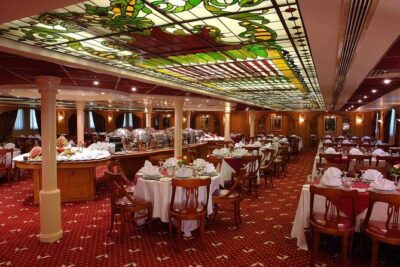
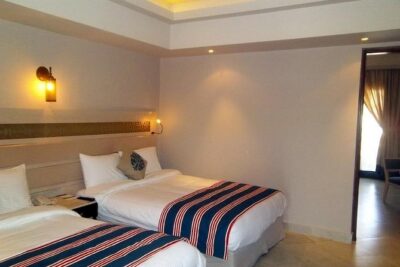
The cruise is described as 5-star, but no ship name, cabin size, deck location, or entertainment schedule is provided. If the cabin matters to you, ask for those details before booking. The label tells you the intended standard, not the exact ship experience.
Who should book this trip
I would recommend this tour to you if you want the main Aswan-to-Luxor sights in one organized package and prefer not to arrange each transfer yourself. It suits first-time visitors who want an Egyptology guide, regular meals, and a private group.
It is also a good match if Abu Simbel and the balloon flight are priorities. Many short Nile programs skip one or both. Here, Abu Simbel adds a long day, while the balloon adds an early morning, but both give the itinerary something beyond the standard temple circuit.
You may prefer a slower independent plan if you want long afternoons aboard ship, more time in Luxor, or complete control over tomb and museum choices. The program is full, and the Abu Simbel excursion takes much of one day.
Free cancellation is available up to 24 hours before the start time. Changes or cancellations within 24 hours are not refundable, so pay attention to the local cutoff and your arrival plans.
Should you book it?
Book this cruise if you value coverage and convenience more than a leisurely pace. For $660, you receive a strong four-day framework with a cabin, meals, transport, private touring, major temples, Abu Simbel, and a balloon flight.
Before paying, confirm three things: the ship and cabin details, the exact entrance-fee budget, and the day-four timing for the balloon. If those points suit you, this is an efficient way to connect Aswan and Luxor while adding two memorable experiences that many basic Nile itineraries leave out.
FAQ
How long is the cruise?
The cruise lasts three nights and runs from Aswan to Luxor over approximately four days.
What is the price per person?
The listed price is $660 per person.
Is pickup included?
Yes. Pickup is offered from any hotel in Aswan, Aswan Airport, or Aswan Train Station.
Is this a private tour?
Yes. Only your own group participates in the tour.
Are meals included?
Yes. The package includes three breakfasts, four lunches, and three dinners. Meals begin with lunch and finish with breakfast on the last day.
Are entrance fees included?
No. Entrance fees are listed separately from the included services, so you should budget extra for site admissions.
Is Abu Simbel part of the itinerary?
Yes. Abu Simbel is scheduled on day two, with about seven hours allocated for the excursion.
Is the hot-air balloon flight included?
Yes. The one-hour hot-air balloon flight is listed as included and takes place over Luxor.
Which guides are associated with the tour?
Mohamed and Laila are named guides connected with the experience. Mohamed is noted for detailed explanations and personal help, while Laila is noted for friendly service and clear English. A specific guide is not guaranteed.
What is the cancellation policy?
You can cancel at least 24 hours before the experience start time for a full refund. Cancellations or changes made within 24 hours are not accepted for a refund.
Newly added balloon flights around Aswan
- (3-Nights Cruise From Aswan To Luxor & Balloon, Abu Simbel)★ 4.5 · 23 reviews
- 4-Days Nile Cruise From Aswan To Luxor Abu Simbel and Air Balloon★ 4.5 · 2 reviews
- 8 Nights Egypt Tour,Cairo,Luxor,Aswan&Abu Simbel,Nile Cruise,Hot Air Balloon★ 4.5 · 11 reviews
- 4 Days Nile Cruise &Hot Air Balloon on M/S Movenpick Royal Lilly★ 5.0 · 4 reviews
- Luxor: 4-Night Nile cruise , Hot Air balloon , west bank , abu simbel★ 5.0 · 3 reviews
- 4-Day Nile Cruise: Aswan to Luxor & Abu Simbel + Hot Air Balloon★ 4.5 · 35 reviews
- 3-Nights Cruise From Aswan To Luxor, Hot Air Balloon,Abu Simbel★ 4.5 · 46 reviews
- Amazing 2 Nights Cruise From Aswan to Luxor including Tours and Hot Air Balloon★ 5.0 · 5 reviews
Aswan Hot Air Balloon Rides, flight against flight.
4-Days Nile Cruise From Aswan To Luxor including Abu Simbel and Hot Air Balloon
Read our review →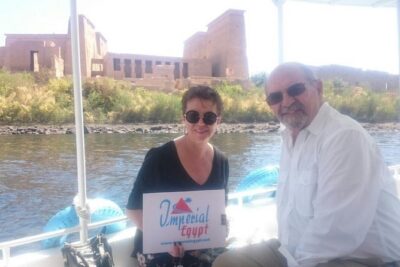
4-Day 3-Night Nile Cruise from Aswan to Luxor&Abu Simbel+Balloon
Read our review →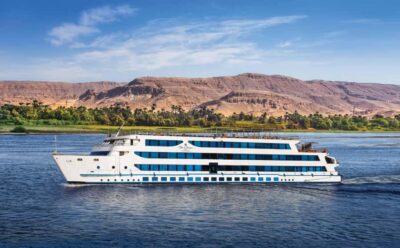
From Aswan: 3-Day Cruise to Luxor with Hot Air Balloon
Read our review →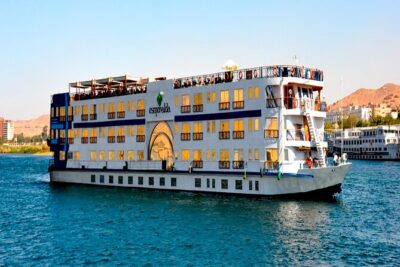
4-Day Nile Cruise sails Aswan to Luxor&Abu Simbel.Hot air Balloon
Read our review →
Amazing 3-Nights Cruise From Aswan To Luxor including Abu Simbel&Hot Air Balloon
Read our review →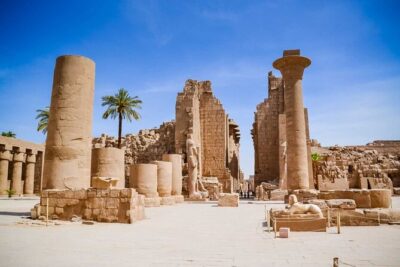
Private 3-Days Nile Cruise to Luxor with Hot Air Balloon Ride
Read our review →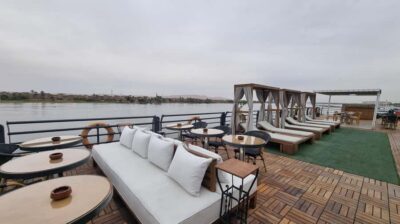
3 Nights Cruise Aswan to Luxor including Abu Simbel, Nubian Village&Air Balloon
Read our review →Balloon lists with this flight